|
The Beauty Business Blueprint
Buy Ebook
By Kem Keris
Turn your passion for beauty into profit.Create, brand, package, price, and sell your own natural beauty products with The Beauty Business Blueprint ââ¬â a practical guide featuring 200+ skincare and haircare recipes. Instant Download - Get The Ebook Look Inside200+ Recipes
Branding & Packaging
Pricing Strategies
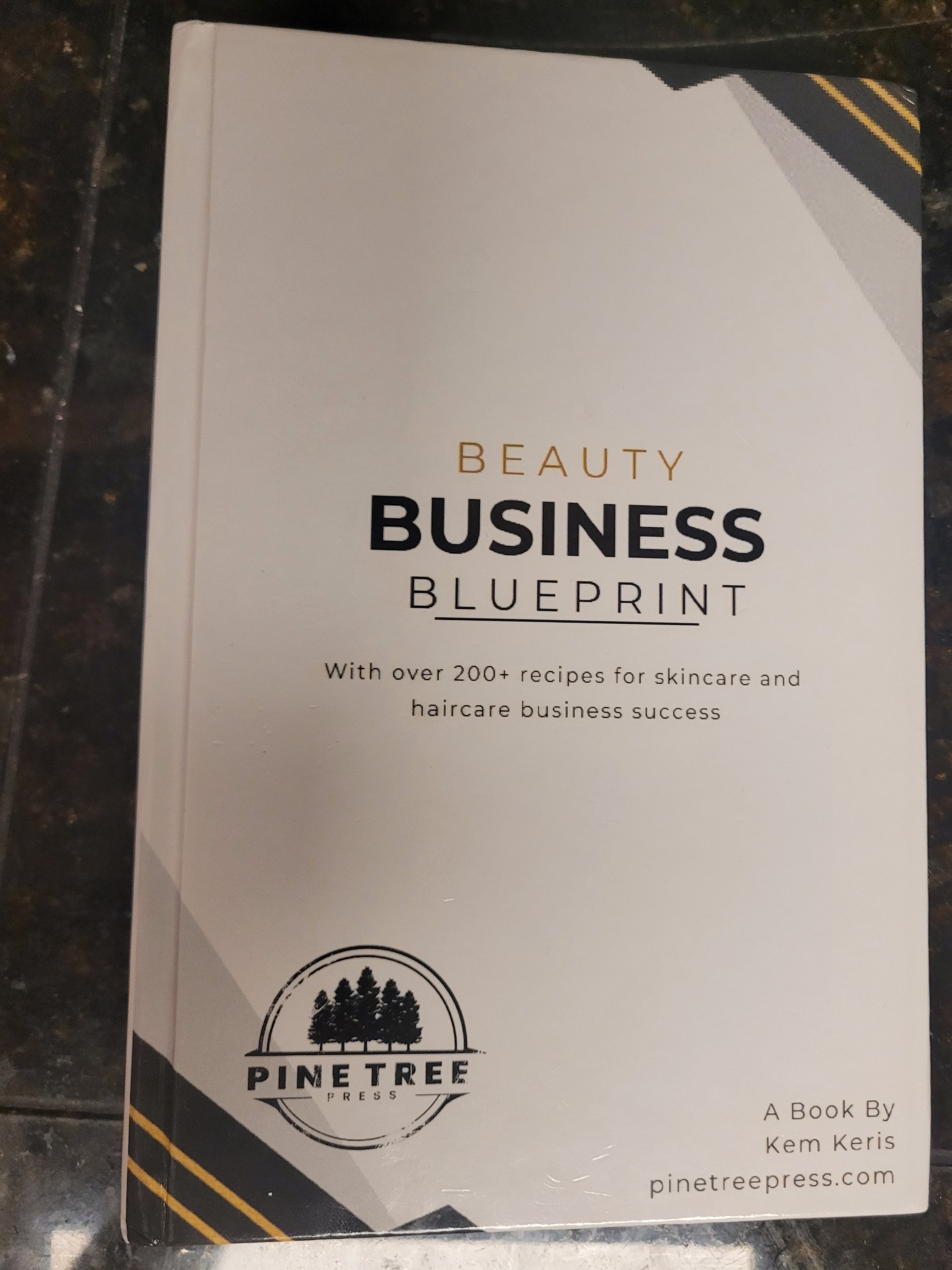
Actual Printed Book PhotosSee the physical hardcover edition of The Beauty Business Blueprint. 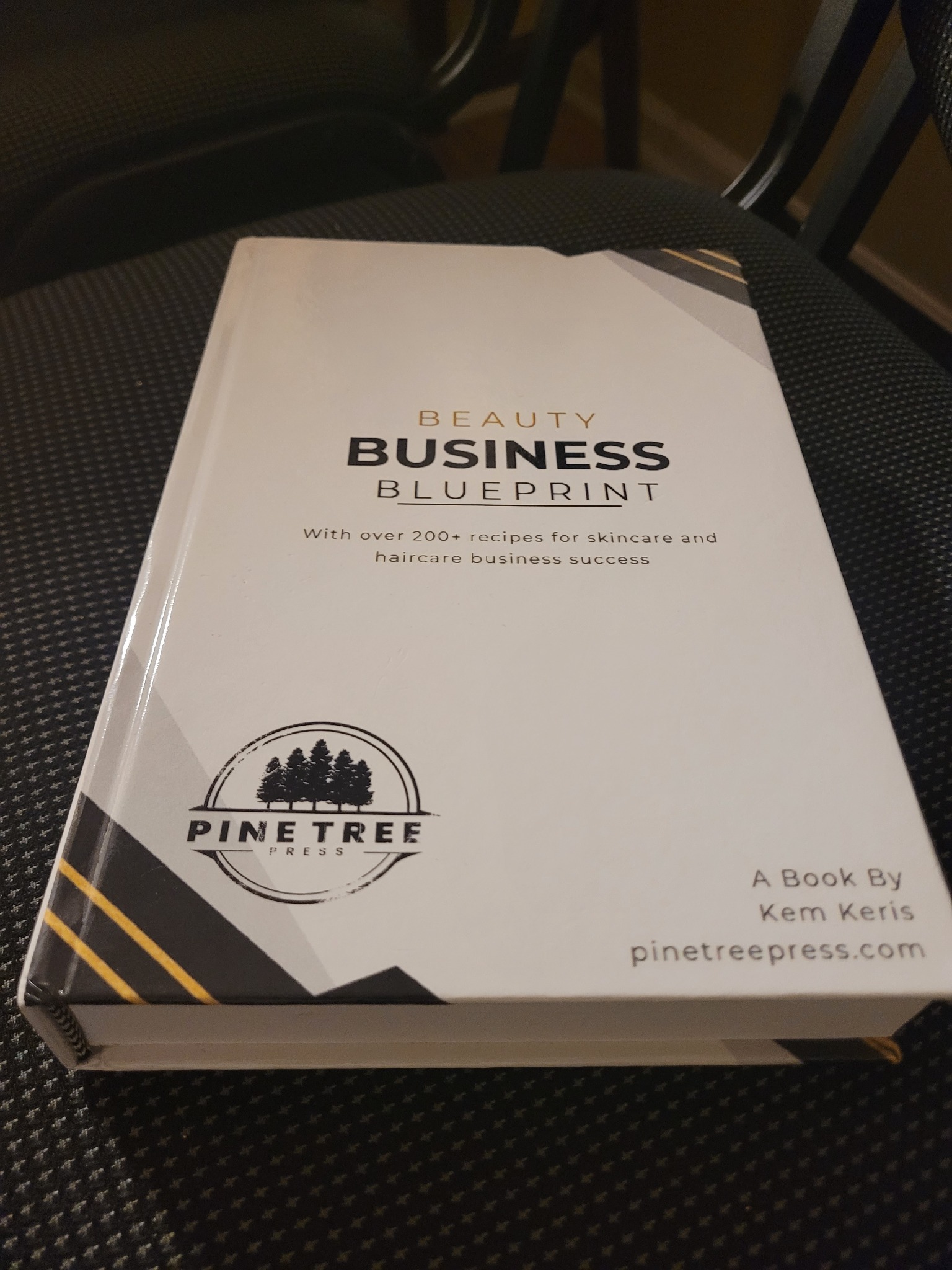
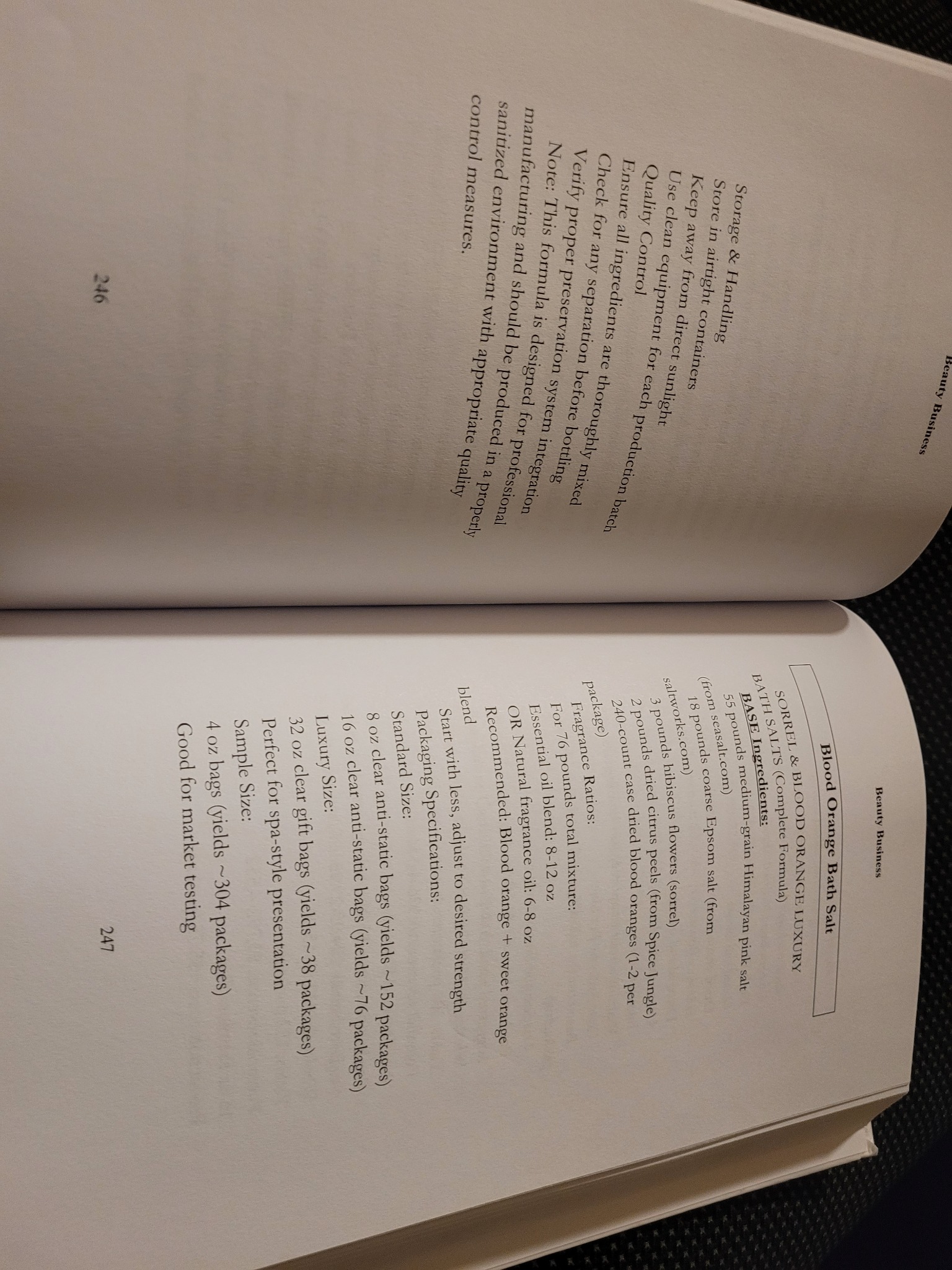
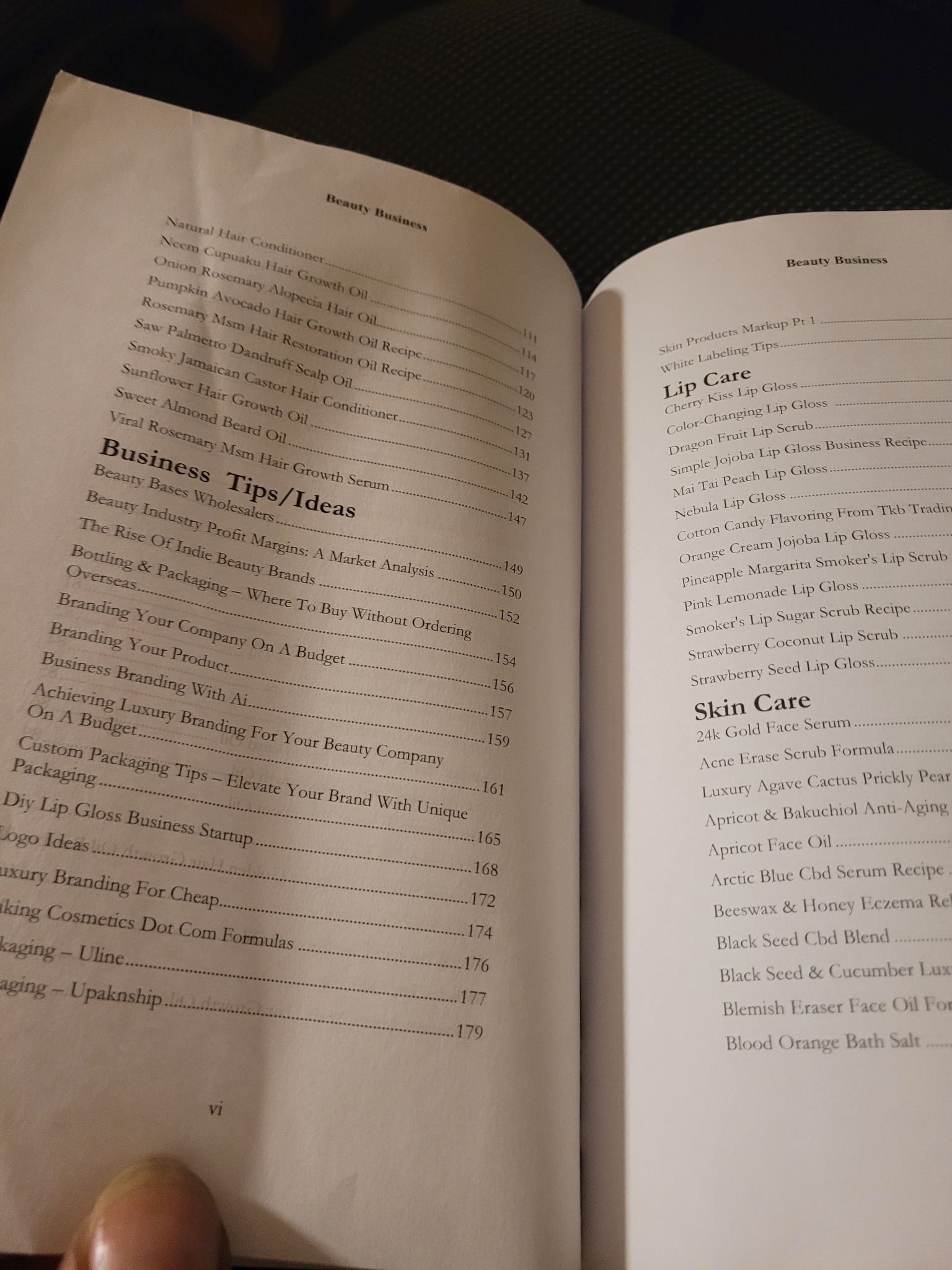
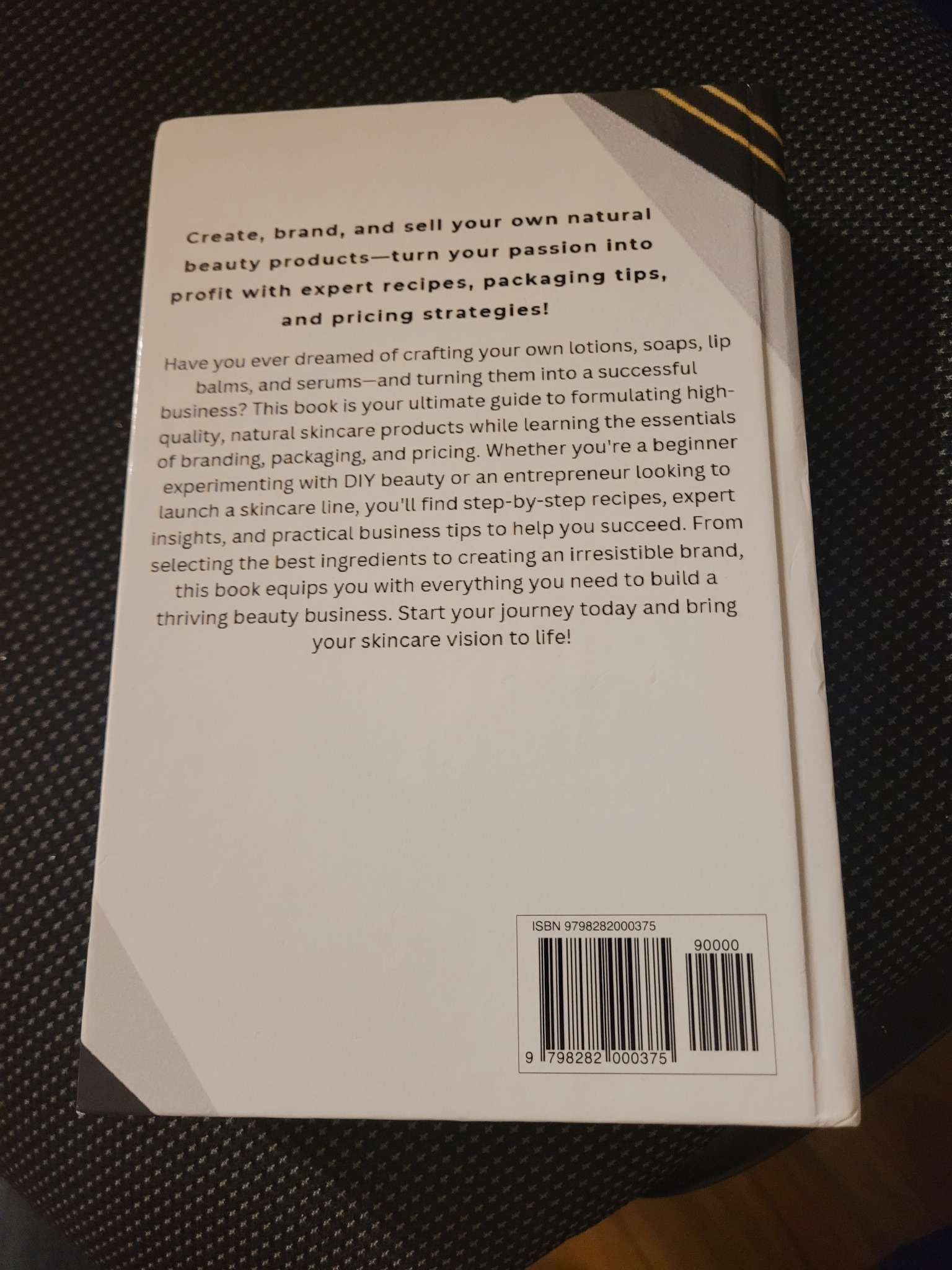
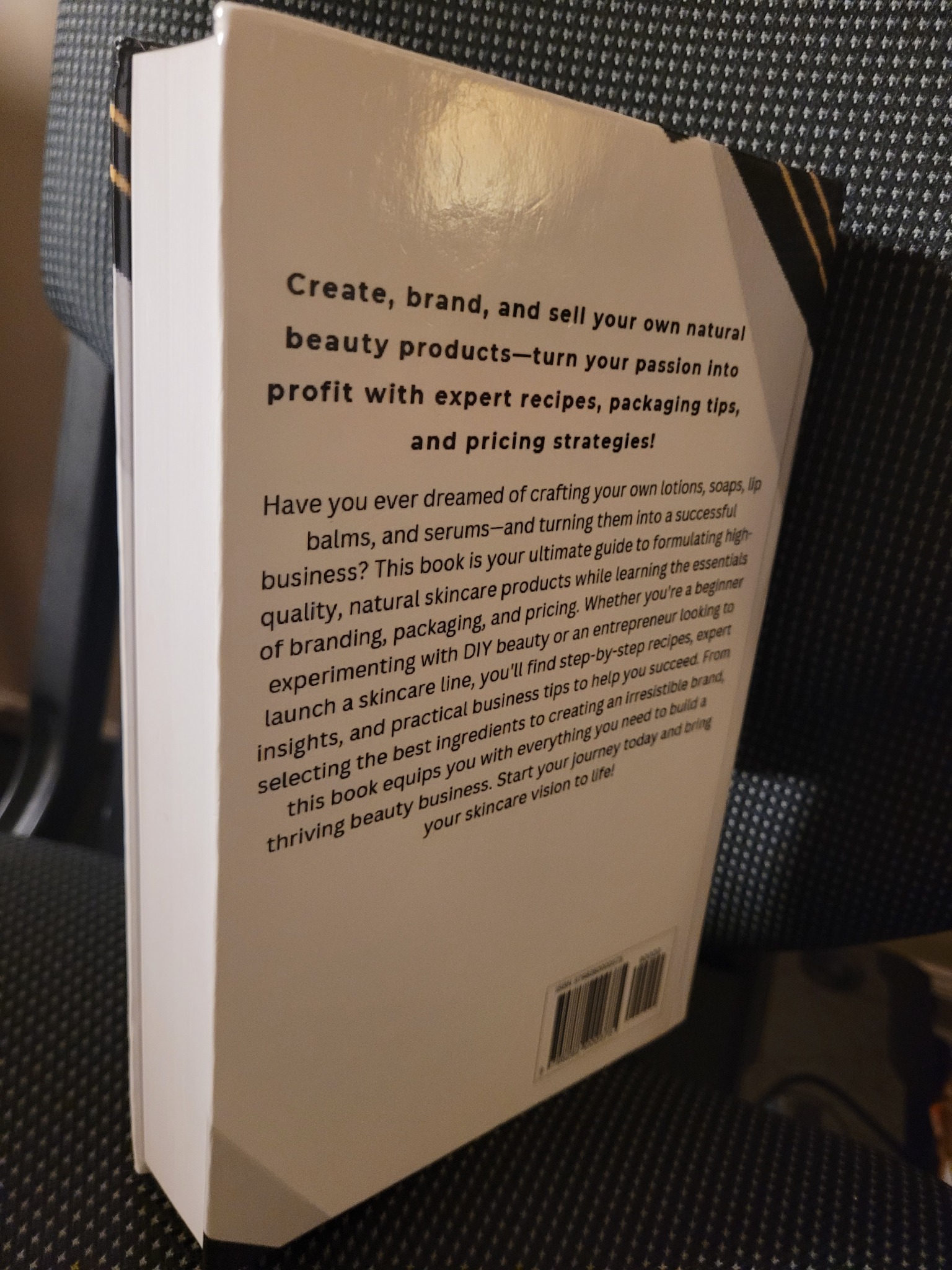
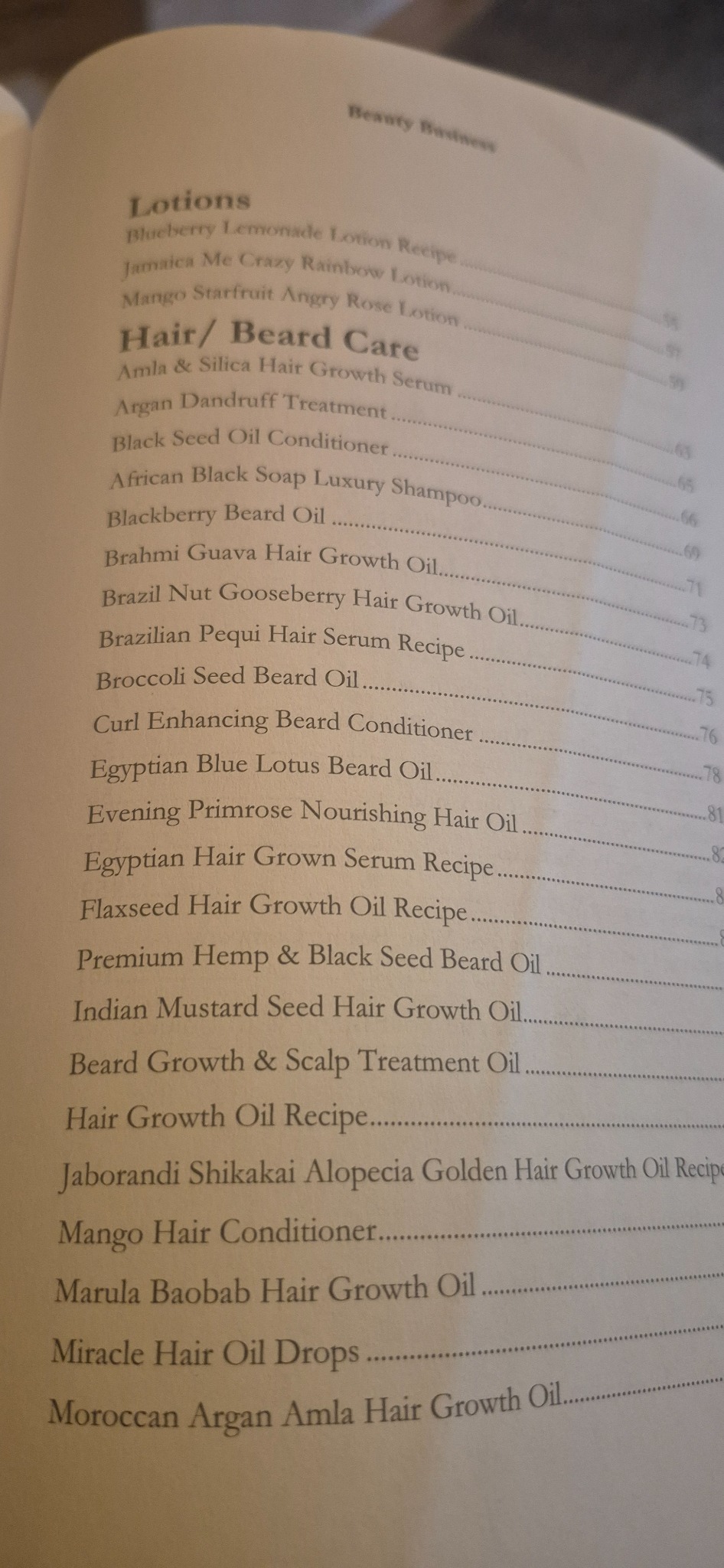
Look Inside the BookPreview the table of contents and see the wide range of product categories inside, including candles, body butters, lotions, hair and beard care, business tips, lip care, and skincare formulas. 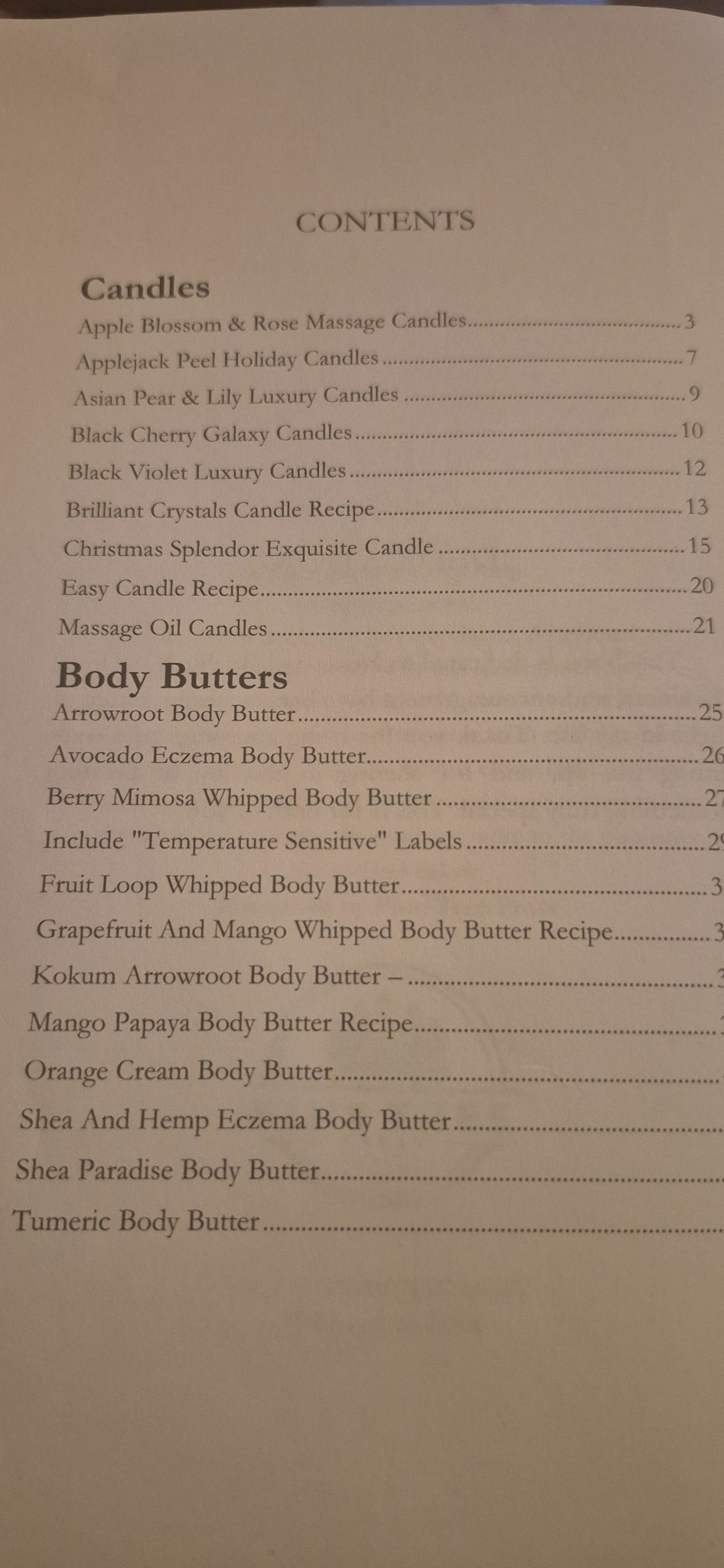
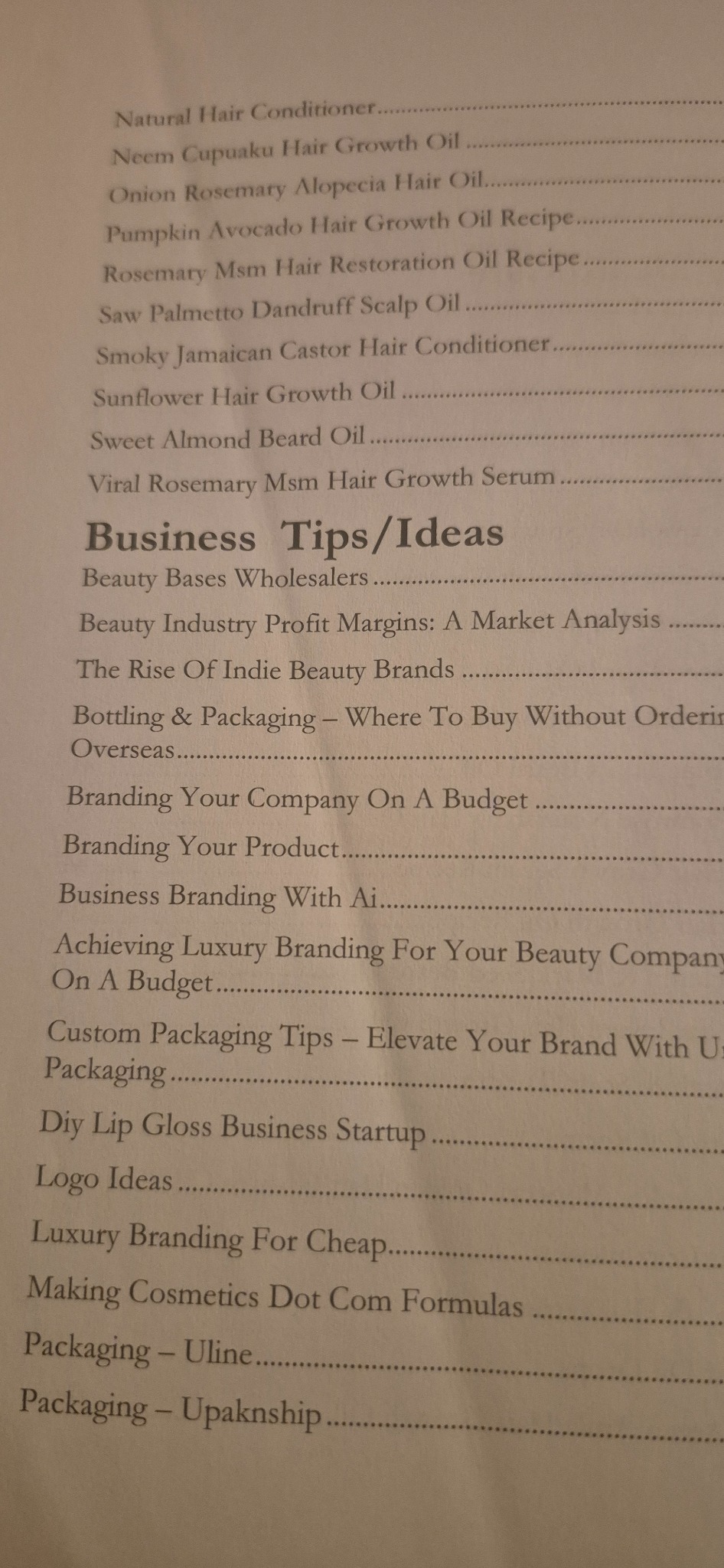
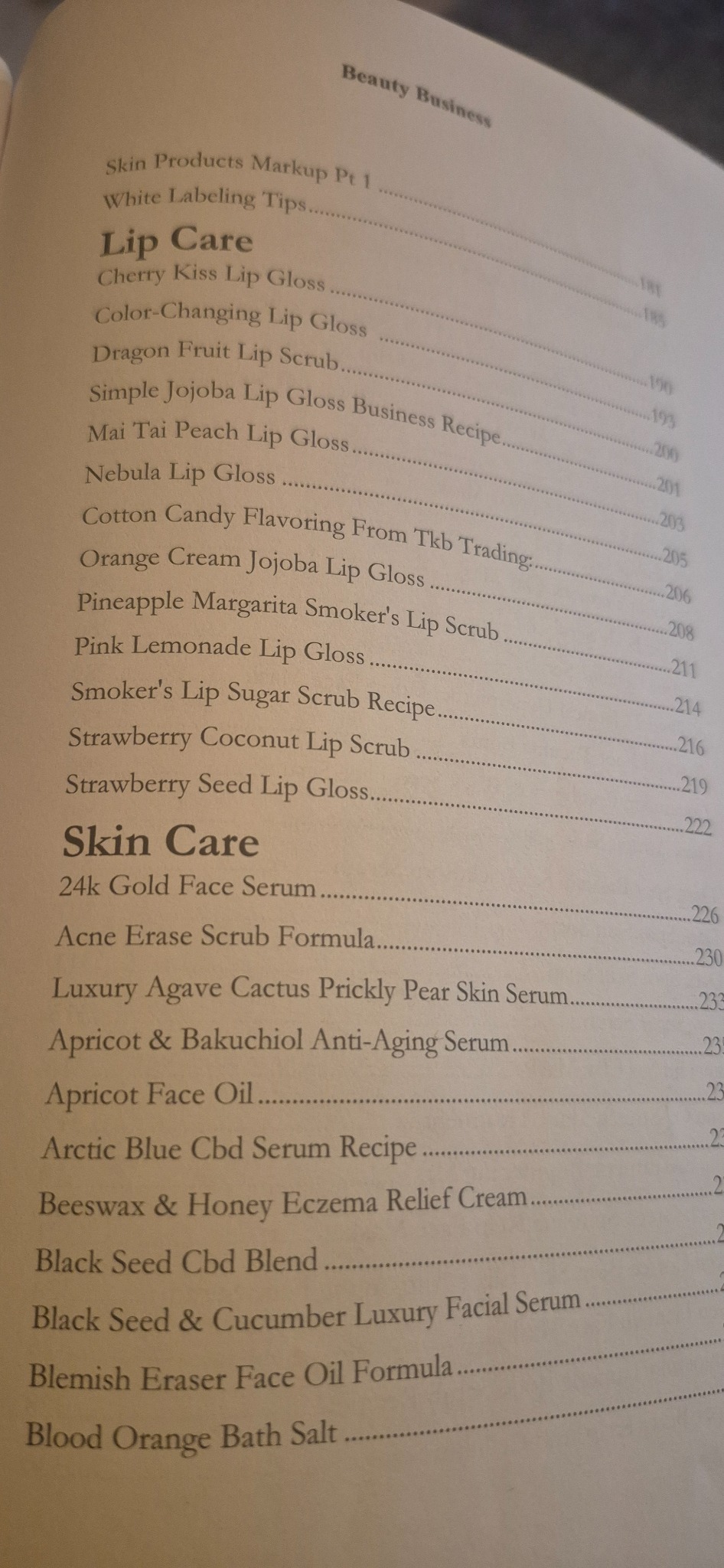
Get the Free Top 10 Beauty Care FormulasEnter your email and get a free sample guide with 10 beauty care formulas, plus updates from skincarehaircare.com. What You'll LearnA complete starter guide for beauty entrepreneurs, DIY beauty makers, and product-based business owners. Skincare RecipesFace serums, soaps, scrubs, masks, body oils, hyperpigmentation products, and more. Hair & Beard CareHair growth oils, beard oils, conditioners, scalp treatments, and alopecia-focused formulas. Beauty Business TipsBranding, packaging, pricing, suppliers, profit margins, and launch ideas. Get The Beauty Business Blueprint TodayStart creating your own lotions, soaps, body butters, lip products, candles, hair oils, beard oils, and more. Instant Ebook Access
Buy Now at shop.skincarehaircare.com
Frequently Asked QuestionsIs this book for beginners?
Yes. It is made for people who want to start from scratch and learn recipes, packaging, pricing, and business basics. What types of products are included?
Hair oils, beard oils, lotions, body butters, soaps, scrubs, candles, lip care products, serums, and more. Where do I buy the ebook?
Purchase it directly at shop.skincarehaircare.com. |